Croatia
What to Expect
Places to visit
Croatia feels like a sun‑soaked mosaic of medieval towns, turquoise seas, and dramatic landscapes—an easy place to fall for, whether you’re wandering ancient stone streets or sailing between islands. Along the Dalmatian Coast, cities like Split and Dubrovnik rise in honey‑coloured stone above the Adriatic, their old towns filled with narrow lanes, lively cafés, and centuries of history layered into every archway. Offshore, islands such as Hvar, Brač, and Korčula offer a slower rhythm: lavender fields, quiet coves, and crystal‑clear water that seems made for long, lazy swims.
❋ ZAGREB
Zagreb has the feel of a European capital that’s both quietly elegant and effortlessly livable—a city where café culture, leafy parks, and Austro‑Hungarian architecture blend with a youthful creative streak. The Upper Town, with its cobblestone streets, colourful facades, and the iconic St. Mark’s Church, offers a charming, old‑world atmosphere perfect for slow wandering. Just below, the Lower Town opens into grand squares, museums, and long, tree‑lined boulevards that give the city its graceful rhythm.
❋ OSIJEK
Osijek has a gentle, quietly captivating charm—one of those cities that doesn’t shout for attention but rewards you the moment you start exploring. Set along the Drava River in eastern Croatia, it blends baroque elegance, riverside calm, and a strong sense of local pride. The star of the city is Tvrđa, its beautifully preserved 18th‑century fortress district, where cobblestone streets, grand squares, and historic facades create an atmosphere that feels both intimate and full of stories. Today, it’s also a lively hub of cafés, student life, and cultural events.
❋ PULA
Pula feels like a sun‑drenched crossroads of ancient history and easy Adriatic living—a place where Roman grandeur meets laid‑back coastal charm. At its heart stands the magnificent Pula Arena, one of the best‑preserved Roman amphitheatres in the world, rising above the city like a stone time capsule. Wander the old town and you’ll stumble upon temples, arches, and hidden courtyards that reveal just how long this port city has been a gateway to the Mediterranean.
❋ SPLIT
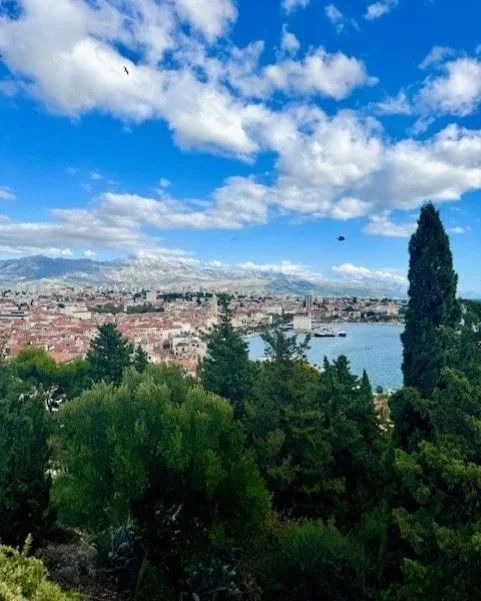
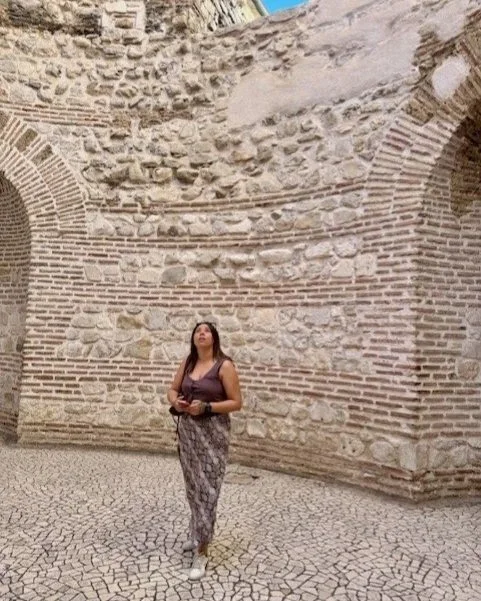
Split is a city that feels alive from the moment you arrive—sun‑drenched, historic, and buzzing with the easy rhythm of Mediterranean life. At its heart is Diocletian’s Palace, a sprawling 4th‑century Roman complex that isn’t preserved behind ropes or glass but fully woven into the city itself. You can wander through ancient stone corridors, stumble upon hidden courtyards, and sip coffee in squares framed by columns that have stood for more than a millennium. Split is also a gateway—to islands, to national parks, to the wider Dalmatian coast—but it never feels like a place you simply pass through. With its blend of ancient architecture, seaside ease, and vibrant everyday life, Split invites you to slow down, explore, and savour the Adriatic at its most atmospheric.
❋ HVAR
Hvar feels like Croatia’s glamorous island escape—sun‑drenched, fragrant with lavender, and buzzing with a lively Mediterranean energy. Its main town, with polished stone streets and a sweeping harbour lined with yachts, blends Venetian‑era elegance with a modern, beach‑club vibe. Climb up to the hilltop fortress for panoramic views over the Pakleni Islands, a glittering chain of islets that look almost too perfect to be real. But beyond the nightlife and waterfront sparkle, Hvar has a softer, more timeless side. Inland, you’ll find quiet villages, terraced vineyards, and fields of lavender that turn the island purple in early summer. Stari Grad, one of Europe’s oldest towns, offers a slower rhythm with narrow lanes, stone houses, and a UNESCO‑listed plain that’s been cultivated since ancient Greek times.
❋ZADAR
Zadar is a city that blends ancient soul with modern creativity, all set against some of the most spectacular sunsets on the Adriatic. Its old town sits on a narrow peninsula, wrapped in stone walls and filled with Roman ruins, medieval churches, and marble‑paved streets that glow softly in the late‑day light. You can wander from the Roman Forum to the 9th‑century Church of St. Donatus in just a few steps, feeling centuries of history layered beneath your feet.
❋BRAC
Brač feels like the Adriatic at its most effortlessly beautiful—a sun‑washed island where pine forests, stone villages, and impossibly clear water create a rhythm that’s both energising and deeply relaxing. Its star attraction is Zlatni Rat, the iconic golden‑horn beach that shifts shape with the wind and currents, stretching into turquoise water like a natural sculpture. But the island’s charm goes far beyond its famous shoreline.
❋DUBROVNIK
Dubrovnik feels like a living masterpiece—an ancient walled city rising dramatically above the Adriatic, where every stone seems to hold a story. Step through the gates of the Old Town and you’re surrounded by polished limestone streets, baroque churches, and terracotta rooftops that glow gold in the late‑day sun. Walking the city walls is the highlight: a full circuit above the sea and rooftops, offering sweeping views that are as cinematic as they come. Down below, narrow alleyways lead to hidden cafés, tiny wine bars, and stairways that climb toward quiet corners far from the crowds. The harbour opens onto impossibly blue water, with boats ready to whisk you to Lokrum Island or nearby beaches. In the evenings, the Old Town takes on a magical atmosphere—lantern‑lit streets, the sound of clinking glasses, and the soft hum of music drifting from open squares.
Croatia Blog